
Habit Replacement — Documented
HABIT. SHIFT. RECORD.
A structured approach to replacing entrenched patterns with deliberate daily behaviour. Documented in practice, refined over time.

A structured approach to replacing entrenched patterns with deliberate daily behaviour. Documented in practice, refined over time.
Each principle below corresponds to a documented phase in the Gonvik programme — observable, repeatable, adjustable.
The observable triggers that precede a repeated behaviour. Mapping these precisely is the first documentation stage in any replacement process.
Replacing the habitual response without removing the cue. Substitution targets the routine segment of the loop, leaving reward pathways structurally intact.
Identifying what the original routine delivered — satisfaction, relief, stimulation — and finding an equivalent that does not undermine long-term consistency.
Restructuring the physical and digital environment to reduce friction for desired behaviours and increase friction for unwanted ones. The architecture of the space is the architecture of the habit.
Attaching a new behaviour to an established one. When the anchor habit fires, the stacked behaviour follows — reducing the cognitive load of initiation.
Written documentation of daily patterns creates a record that is observable, editable, and honest. The act of noting a behaviour changes the observer's relationship with it.

The Gonvik approach holds that habitual patterns are structural, not characterological. A pattern that appears resistant to change often persists because its triggering conditions have not been clearly mapped — not because the person repeating it lacks resolve.
Through systematic documentation — daily logs, environment audits, reward tracing — the loop becomes visible. Once visible, it becomes adjustable. Adjustment is iterative, not sudden.
The small steps approach recognises that durability compounds. A modest change held for sixty days outperforms a dramatic change abandoned after seven.
About Gonvik
A twelve-week sequence for establishing a consistent morning routine. Includes wake-time anchoring, first-hour structure, and progressive habit stacking.
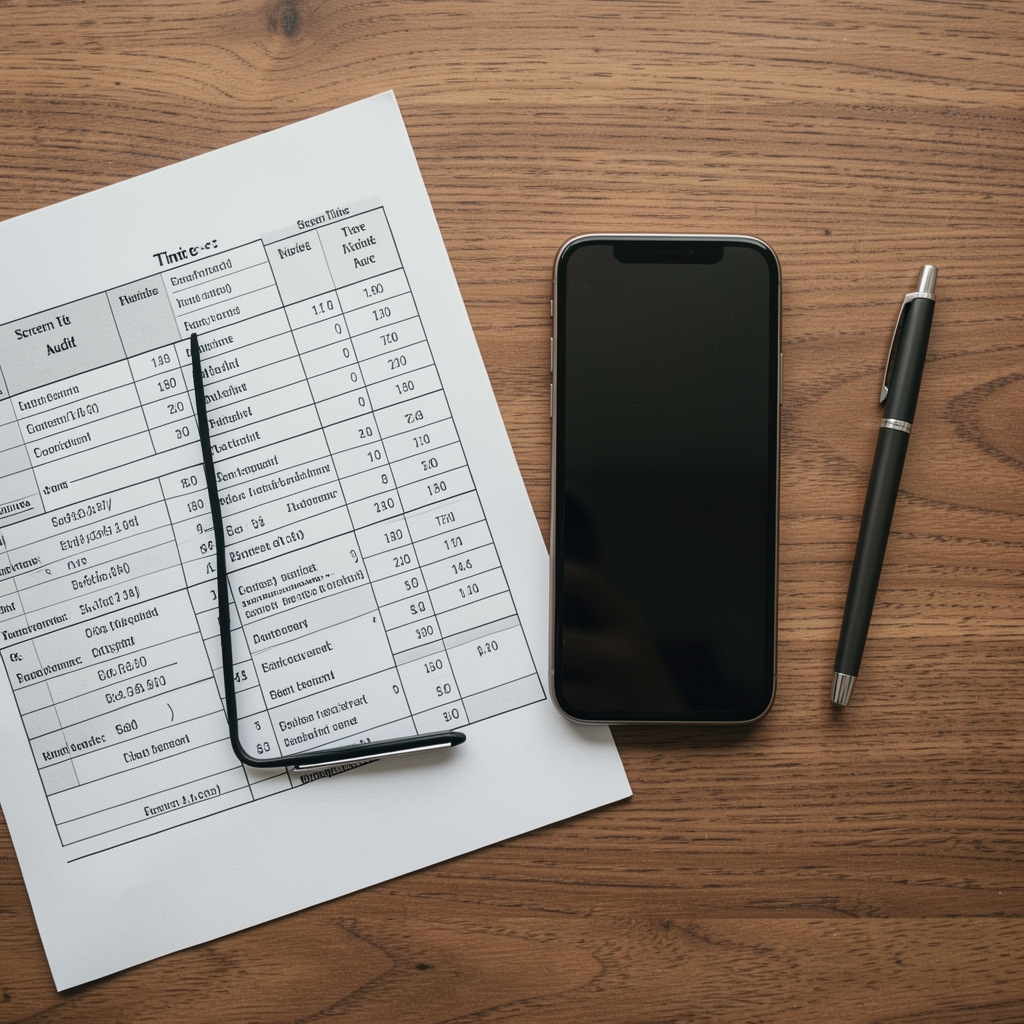
A structured review of screen-usage patterns, notification load, and digital environment. Produces a documented reduction plan with weekly review checkpoints.

Identifying the cue-routine loop around refined sugar intake. Substitution strategies are mapped against personal preference and daily timing patterns.
The Gonvik methodology is grounded in observed patterns of behaviour — not in abstract prescription. These questions address the most frequent enquiries about how the work proceeds.
Published behavioural research documents a range of eighteen to two-hundred and fifty-four days, with a median approaching sixty-six days for moderate-complexity habits. Gonvik programmes operate on twelve-week cycles, which covers the median with additional consolidation time built in.
Sessions are available both in person at the London office and via video call. The documentation tools — daily logs, environment mapping worksheets, weekly review templates — function identically in both formats.
Willpower is a finite daily resource that depletes with use. Habit structure reduces the need to invoke willpower by automating routine decisions. The goal of Gonvik work is to move behaviour from the willpower domain into the automatic domain — reducing the cognitive cost of consistency.
Generally, the Gonvik approach targets one primary habit replacement per cycle, with one secondary habit being built through stacking onto an established anchor. Attempting multiple independent replacements simultaneously dilutes available attention and increases the risk of none becoming automatic.
The programme did not ask me to be more disciplined. It asked me to look more carefully at what I was already doing — and then to make one deliberate change to the structure around it.
Use the contact form to outline the pattern you are looking to shift. A response typically follows within one working day. There is no automated sequence — only a direct reply.